What is the difference between sofa booth and regular sofa?
Exploring the Distinctive Charm of Sofa Booths: A Comprehensive Comparison with Regular Sofas
In the world of interior design and furniture, the choice between a sofa booth and a regular sofa can have a significant impact on the overall look, functionality, and ambiance of a space. These two seating options offer distinct features and serve different purposes, making it essential for individuals and designers to understand their characteristics and how they differ from each other. TEEMLIVING as a furniture specializer will take you delve into the world of sofa booths and regular sofas, highlighting their unique attributes, applications, and the factors that set them apart.
Sofa Booths - Definition and Unique Attributes
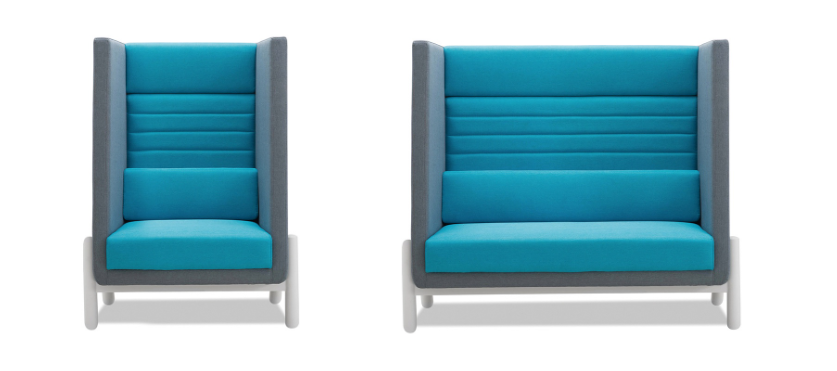
A sofa booth is a seating arrangement characterized by its enclosed design, providing a sense of privacy and seclusion. These booths often feature higher backrests and, at times, even side panels, creating a partially enclosed seating area. Typically used in commercial settings such as restaurants, cafes, and office lounges, sofa booths offer a more intimate seating arrangement compared to their open counterparts.
Functionality and Purpose
One of the key differentiators between sofa booths and regular sofas lies in their intended functions. Sofa booths are specifically designed to accommodate small groups of people for activities such as conversations, meals, and collaborative work. The enclosed design of sofa booths fosters an environment conducive to focused interactions, making them ideal for settings where privacy and comfort are paramount.
Design Flexibility and Customization
Sofa booths offer a high level of customization, allowing designers and users to tailor the size, shape, upholstery, and even additional features to suit their specific needs. This flexibility ensures that sofa booths can seamlessly integrate into diverse interior designs and fulfill a range of requirements. From integrated tables and charging outlets to unique upholstery patterns, the design possibilities are extensive.
Aesthetic Appeal
Sofa booths are often designed to complement the overall interior style or theme of a space. The choice of upholstery, patterns, and finishes can be carefully selected to create a cohesive and visually appealing atmosphere. This attention to detail in design allows sofa booths to contribute to the overall ambiance of a space, enhancing its aesthetic appeal.
Comfort and Ergonomics
While comfort is a common factor in both sofa booths and regular sofas, their designs influence the level of comfort they provide. Sofa booths, with their structured and enclosed seating arrangement, offer a unique ergonomic experience. The higher backrests and supportive sides contribute to a comfortable and enveloping feeling, encouraging users to settle in for longer periods.
Applications in Commercial Settings
Sofa booths find their prime application in various commercial settings. In restaurants, these booths create intimate dining spaces, making them perfect for couples or small groups. The sense of seclusion can enhance the dining experience, making patrons feel more relaxed and at ease. In office lounges, sofa booths offer an ideal environment for informal meetings, collaborative work sessions, or moments of focus in shared spaces.
Regular Sofas: Openness and Versatility
In contrast to sofa booths, regular sofas are characterized by their open design. These sofas are versatile in terms of placement and are commonly used in residential spaces such as living rooms, family rooms, and entertainment areas. They come in a wide variety of styles, sizes, and designs, catering to different interior aesthetics and personal preferences.
Layout and Arrangement
Unlike sofa booths, which are often positioned against walls or in corners due to their enclosed nature, regular sofas can be placed away from walls, used as room dividers, or even positioned at the center of a room to create a focal point. The open design of regular sofas allows for more creative layout options, making them adaptable to various spatial configurations.
Casual Seating and Relaxation
Regular sofas excel at providing casual and comfortable seating options. They are designed to accommodate larger groups of people, making them suitable for gatherings, family movie nights, and socializing. The open design encourages relaxation and a sense of openness, making regular sofas a staple in residential spaces where comfort and versatility are key.
Design Diversity and Personalization
Regular sofas offer a vast range of design possibilities to cater to different tastes and preferences. From classic to modern, minimalist to eclectic, regular sofas come in various styles, colors, and materials. This diversity allows individuals to find a sofa that aligns with their desired aesthetic, enhancing the overall interior decor of their home.
Multi-Purpose Functionality
Regular sofas are often utilized for a wide range of activities, including watching television, reading, napping, and entertaining guests. Their openness and adaptability make them suitable for various day-to-day functions, catering to the dynamic needs of a household.
Finding the Perfect Fit
In the world of interior design and furniture, the choice between a sofa booth and a regular sofa ultimately boils down to the specific needs and objectives of a space. Sofa booths offer a sense of privacy, intimacy, and customization, making them well-suited for commercial settings where interactions are focused and private. On the other hand, regular sofas thrive in residential spaces, providing comfort, versatility, and a wide range of design options.
When considering either option, factors such as the intended use, layout constraints, aesthetic preferences, and desired level of interaction should be carefully weighed. By understanding the unique attributes and applications of both sofa booths and regular sofas, individuals and designers can make informed decisions that enhance the functionality and ambiance of any space. Whether fostering collaboration in an office lounge or creating a cozy living room retreat, the world of seating options offers something for everyone.
Eco-friendly options for sofa booth materials that can contribute to a more sustainable and environmentally conscious choice in interior design. These materials are designed to minimize their environmental impact, promote responsible sourcing, and often offer benefits in terms of indoor air quality and overall sustainability.
Eco-friendly materials commonly used in sofa booth construction
Organic Fabrics: Organic fabrics, such as organic cotton, hemp, and linen, are grown without the use of synthetic pesticides or fertilizers. They are biodegradable and have a lower environmental impact compared to conventionally grown fabrics. These fabrics can be used for upholstery, cushions, and pillows in sofa booths.
Recycled Fabrics: Fabrics made from recycled materials, like recycled PET (plastic bottles) or post-consumer recycled fibers, offer a sustainable alternative. These materials divert waste from landfills and reduce the need for virgin resources while maintaining quality and durability.
FSC-Certified Wood: The Forest Stewardship Council (FSC) certifies wood products that come from responsibly managed forests. Using FSC-certified wood for the structural components of sofa booths ensures that the wood is sourced sustainably, with considerations for biodiversity and ecosystem health.
Bamboo: Bamboo is a rapidly renewable resource that grows quickly and requires minimal water and pesticides. It can be used as a material for furniture frames, legs, or even as decorative accents in sofa booths.
Cork: Cork is harvested from the bark of cork oak trees, which regrow after each harvest. This renewable material can be used for tabletops, armrests, or even as a design element on the sofa booth's surface.
Natural Latex Foam: Natural latex foam is derived from rubber tree sap and is free from synthetic chemicals. It is a more sustainable alternative to petroleum-based foam and offers comfort and support for sofa booth cushions.
Recycled Metal Frames: If metal is used in the construction of the sofa booth frame, choosing recycled metals helps reduce the demand for new raw materials and minimizes energy consumption in the manufacturing process.
Low-VOC Finishes: Volatile Organic Compounds (VOCs) are chemicals emitted by some paints, stains, and finishes, which can contribute to indoor air pollution. Opting for low-VOC or VOC-free finishes on wood components of the sofa booth promotes healthier indoor air quality.
Natural Fiber Fillings: When choosing sofa booth cushions or pillows, consider natural fillings such as organic cotton, wool, or kapok. These fillings are biodegradable and free from synthetic chemicals.
Upcycled Materials: Using reclaimed or upcycled materials, such as reclaimed wood or vintage fabrics, gives existing materials a new life while reducing the need for new resources.
Water-Based Adhesives: Water-based adhesives are less harmful to the environment compared to solvent-based adhesives, as they have lower volatile organic compound (VOC) emissions.