The Art of Mid-Century Chair Design
The Influence of Historical Furniture Styles
Furniture design is an evolving art form that draws inspiration from different historical periods and cultural movements. Our chair designs are a perfect example of how these influences can be adapted to meet the demands of contemporary living while preserving the essence of timeless beauty.
One of the key influences in our designs is the French Provincial style, which originated in the 18th century. This style is characterized by its elegant curves, intricate details, and a sense of refinement that is both sophisticated and inviting. Our chairs, inspired by this style, feature graceful lines and carefully carved woodwork that evoke the charm and elegance of rural France. The soft, muted colors and distressed finishes further enhance the vintage appeal of these pieces, making them a perfect fit for both traditional and modern interiors.
Another significant influence is the Art Deco movement, which emerged in the early 20th century. Known for its bold geometric patterns, rich materials, and a sense of luxury, Art Deco has a timeless appeal that continues to captivate designers and consumers alike. Our chairs incorporate elements of this style through their clean lines, sleek forms, and the use of high-quality materials like polished wood and metal accents. These chairs are not only functional but also serve as statement pieces that can elevate the design of any space.
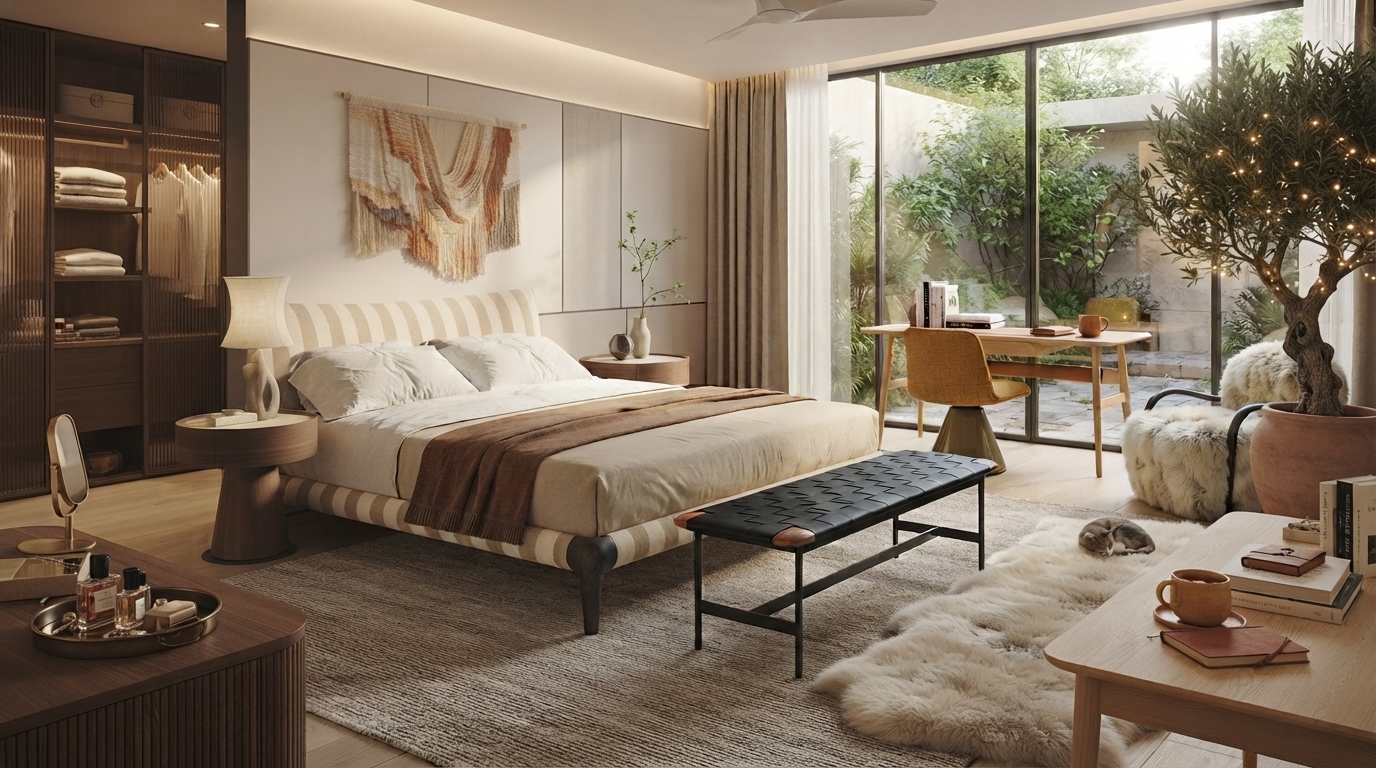
In addition to these historical styles, our designs also draw inspiration from Mid-Century Modern, a style that emphasizes simplicity, functionality, and the use of natural materials. The minimalist approach of Mid-Century Modern design is reflected in the clean, uncluttered lines of our chairs, as well as in the use of organic materials like wood and leather. These chairs are designed to be versatile, easily complementing a wide range of interior styles from contemporary to eclectic.
By blending these historical influences with contemporary design elements, we create chairs that are both timeless and relevant. Each chair is a unique expression of our commitment to preserving the art of furniture making while catering to the needs and preferences of modern consumers.

The Creative Process
Designing a chair is a complex and multifaceted process that requires a deep understanding of both aesthetics and functionality. Our design process begins with a concept, often inspired by a particular style or a specific need. This concept is then developed through a series of sketches, where different shapes, proportions, and details are explored.
Once a design is finalized on paper, the next step is to create a prototype. This is a critical phase in the design process, as it allows us to test the ergonomics, comfort, and structural integrity of the chair. The prototype is carefully evaluated, and any necessary adjustments are made to ensure that the final product meets our high standards of quality.
The role of our craftsmen is crucial in this process. Their expertise in woodworking and upholstery is essential in bringing the design to life. They work closely with the designers to ensure that every detail is executed to perfection, from the joinery to the finish. The result is a chair that is not only beautiful but also comfortable and durable.
In addition to traditional craftsmanship, we also incorporate modern technology into our design process. This includes the use of computer-aided design (CAD) software, which allows us to create precise and detailed models of our chairs. These digital models help us to visualize the final product and make any necessary adjustments before the manufacturing process begins.
Our commitment to quality is evident in every step of the design process. From the initial concept to the final product, we strive to create chairs that are both aesthetically pleasing and functional. This dedication to excellence is what sets our furniture apart and makes it a cherished addition to any home.
Aesthetics and Functionality