The Beauty of Imperfection: Materials in Wabi-Sabi Chairs

2023-10-23

In a world that often celebrates sleek, flawless design, the Wabi-Sabi philosophy offers a refreshing perspective—a celebration of imperfection, simplicity, and a deep connection to the natural world. Wabi-Sabi chairs, embodying this philosophy, utilize materials that mirror its core principles. TEEMLIVING will delve into the world of Wabi-Sabi chair materials, discovering how they contribute to the allure and authenticity of these unique pieces.

Wood - The Heart and Soul of Wabi-Sabi Chairs

  1. The Timeless Appeal of Wood

Wood stands as the quintessential material in Wabi-Sabi chairs. This chapter delves into the reasons behind its popularity, exploring how its natural beauty, warmth, and versatility align perfectly with the philosophy.

Wood has been a staple material in furniture design for centuries. Its warmth, beauty, and versatility make it an ideal choice for crafting wabi sabi dining chairs. The natural grain and texture of wood create a connection to the natural world, which is at the core of Wabi-Sabi philosophy.

  1. Embracing Imperfection with Wood

Wabi-Sabi celebrates the beauty of imperfection, and wood is an ideal medium for this celebration. In Wabi-Sabi chairs, knots, cracks, and irregularities in the wood are not flaws but unique features to be celebrated. These imperfections add character and depth to the chairs, making each piece one-of-a-kind.

The imperfections found in wood are often a result of the tree's growth and natural wear and tear. Knots, for example, are areas where branches once grew, and they create unique patterns in the wood grain. Cracks and irregularities can develop over time due to changes in temperature and humidity. Rather than concealing these imperfections, Wabi-Sabi design embraces them, recognizing that they are part of the wood's history and beauty.
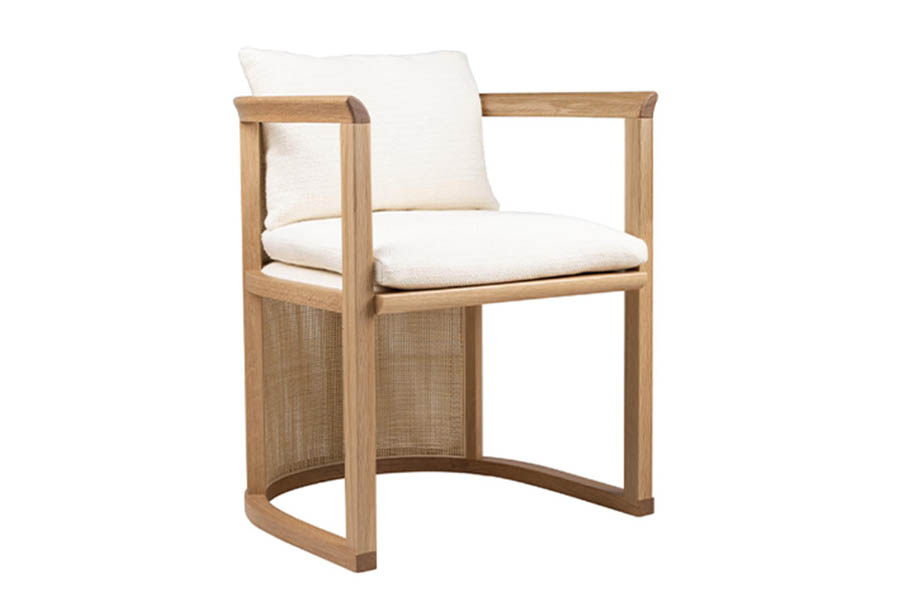
wabi sabi chairs

  1. Aged and Reclaimed Wood

Aged and reclaimed wood play a significant role in Wabi-Sabi chair design. The patina and history of such materials contribute to the chair's connection to the passage of time and the authenticity of its construction.

Aged wood develops a unique patina over time, often deepening in color and developing a rich, weathered appearance. This natural aging process adds depth and character to wabi sabi dining chairs, making them feel like they have a story to tell. Reclaimed wood, sourced from old buildings, barns, or other structures, embodies the Wabi-Sabi philosophy of repurposing and finding beauty in the discarded. These materials often bear the marks of their previous use, such as nail holes, scratches, and weathering, which add to their charm.

Bamboo - Graceful Simplicity

  1. Bamboo's Natural Grace

Bamboo is another material frequently used in crafting Wabi-Sabi chairs. This chapter discusses how bamboo's simplicity, sustainability, and graceful appearance make it a fitting choice for this philosophy.

Bamboo is a versatile and sustainable material that aligns perfectly with the principles of Wabi-Sabi. Its natural grace and elegance are reflected in the simple yet intricate designs of many Wabi-Sabi chairs. Bamboo's slender, cylindrical shape and natural texture create a sense of organic beauty that harmonizes with the philosophy.

  1. The Art of Imperfection in Bamboo Chairs

We explore how bamboo, with its natural variations and irregularities, aligns perfectly with the Wabi-Sabi aesthetic. The way bamboo ages and weathers adds character to these chairs. Over time, bamboo can develop a lovely patina and slight color changes that enhance its beauty. Additionally, bamboo can have variations in color and texture, making each piece of bamboo unique.

Bamboo's imperfections are not seen as flaws but as essential elements of its beauty. Knots, bends, and variations in thickness are all celebrated in Wabi-Sabi chair designs. Bamboo chairs often feature unadorned and simple designs that let the natural beauty of the material shine through.

Rattan - Organic Elegance

The Appeal of Rattan

Rattan, a flexible and organic material, is often used in wabi sabi accent chair, particularly those with woven designs. This chapter explores how rattan's natural texture and variations contribute to the chairs' charm.

Rattan is a natural material derived from palm plants. Its flexibility and strength make it an ideal choice for weaving intricate patterns, which are often seen in Wabi-Sabi chair designs. Rattan chairs exhibit a sense of organic elegance that aligns with the philosophy's emphasis on simplicity and authenticity.

Rattan's natural texture and variations in color give each chair a unique character. The variations in the material's surface are celebrated in Wabi-Sabi design, as they contribute to the chair's connection to the natural world.

Stone - Timeless and Weathered

Stone in Wabi-Sabi Chairs

While less common, stone can be incorporated into Wabi-Sabi chairs, especially for outdoor or garden seating. This chapter delves into how natural stone with its unique patterns and weathered appearance can fit within the philosophy.

Stone is a material that evokes a sense of timelessness and endurance. In wabi sabi accent chair, stone may be used for the chair's base or as decorative elements. Natural stone, such as slate, sandstone, or granite, can exhibit unique patterns and variations that align with the philosophy's appreciation of the natural world.

Stone's weathered appearance adds to the chair's sense of authenticity. Over time, stone can develop a patina, and exposure to the elements can create subtle changes in its texture and color. These natural transformations contribute to the chair's connection to the passage of time.

Metal - Rustic Beauty

The Unconventional Beauty of Metal

Metal chairs with rusted or weathered finishes may be less common in Wabi-Sabi design, but they can still align with the philosophy. This chapter explores how the aging and patina of metals can contribute to the chairs' unique character.

While wood, bamboo, and rattan are more common materials in Wabi-Sabi chairs, metal can also be used to create a rustic and weathered appearance. Metal chairs, often made from materials like iron or steel, can develop a patina over time, especially if they are exposed to the elements.

The rusting or weathering of metal is a natural process that adds character and history to the chair. In Wabi-Sabi design, these imperfections are embraced rather than concealed. Metal chairs may feature simple and unadorned designs that allow the material's natural beauty to shine through.

Leather and Fabric - Comfort and Authenticity

Upholstery in Wabi-Sabi Chairs

Leather and fabric upholstery can be used in Wabi-Sabi chairs to provide comfort and authenticity. This chapter discusses how these materials, especially when they exhibit a worn and weathered appearance, contribute to the chairs' charm.

While the focus of Wabi-Sabi chairs is often on the materials used in their frames, upholstery also plays a role in their design. Leather and fabric can add comfort and authenticity to these chairs, enhancing the overall experience of sitting in them.

Leather upholstery, when it develops a worn and weathered appearance, aligns with the Wabi-Sabi philosophy. The aging of leather can add character and a sense of history to the chair. Similarly, fabric upholstery, especially when it features natural and unbleached materials, can enhance the chair's connection to the natural world.

Reclaimed and Salvaged Materials - A History to Tell

The Charm of Reclaimed Materials

Wabi-Sabi often embraces the use of reclaimed or salvaged materials. Chairs made from these materials exhibit the imperfections and history of their previous use, aligning perfectly with the philosophy.

Reclaimed or salvaged materials, such as reclaimed wood from old barns or buildings, carry with them a sense of history and authenticity. These materials often bear the marks of their previous use, such as nail holes, scratches, and weathering, which add to their charm.

In Wabi-Sabi chairs, the use of reclaimed materials extends the philosophy beyond aesthetics to a deeper connection with the past. These materials have a story to tell, and their imperfections become part of the chair's narrative.

Natural Finishes - Letting Materials Speak for Themselves

Minimalistic Finishes

The finishing techniques applied to Wabi-Sabi chairs are typically minimalistic. Clear or matte finishes that allow the natural texture and color of the materials to shine through are preferred over glossy or highly polished finishes.

Wabi-Sabi chairs often feature minimalistic finishes that let the inherent beauty of the materials take center stage. Clear or matte finishes are favored because they allow the natural texture and color of the wood, bamboo, rattan, or other materials to shine through. These finishes enhance the chair's connection to the natural world and its authenticity.

In the world of Wabi-Sabi, materials are not just elements of design; they are the very essence of the philosophy. From the warm embrace of wood to the rustic allure of metal and the elegance of bamboo and rattan, each material used in Wabi-Sabi chairs contributes to a harmonious symphony that celebrates imperfection, simplicity, and a profound connection to the natural world. These materials invite us to see beauty in the unrefined, authenticity in the aged, and a deeper meaning in the ordinary, making Wabi-Sabi chairs not just pieces of furniture but embodiments of a philosophy that celebrates life as it truly is—imperfect and yet profoundly beautiful.