


How to Lacquer Furniture
Lacquering furniture is a great way to add a beautiful finish to your furniture and protect it from wear and tear. Lacquer is a type of finish that creates a hard, durable and glossy surface. It is often used on wooden furniture and it can also be used on metal, plastic and even other materials. In this article, we will guide you how to lacquer furniture step by step.

Step 1: Prepare the Surface
Before you start lacquering your furniture, the first important key is the surface. This involves cleaning the furniture thoroughly to remove any dirt, dust, or debris. If there are any old finishes, you need to remove them with sandpaper or a paint stripper.
If the furniture has any dents or scratches, you should fill them with wood filler or putty. Use sandpaper to smooth out the surface and create an even finish.
Step 2: Sand the Surface
Once the surface is clean and smooth, you need to sand it. Sanding helps to create a surface that is receptive to the lacquer. Use a sanding block or sandpaper to sand the surface in the direction of the grain. Start with a coarse grit sandpaper and gradually move to a finer grit sandpaper.
Step 3: Apply the Lacquer
Now you are ready to apply the lacquer. There are different types of lacquers available, such as nitrocellulose lacquer, water-based lacquer and pre-catalyzed lacquer. You should choose the right lacquer type based on your requirements and the type of furniture you are lacquering.
Apply the lacquer in thin coats using a brush, roller, or spray gun. Make sure to apply the lacquer in a well-ventilated area, and wear protective gear such as gloves, goggles, and a respirator.
Allow each coat to dry completely before applying the next coat. This usually takes a few hours, depending on the type of lacquer you are using. Check the manufacturer's instructions for drying time.
Step 4: Sand the Surface Again
After applying the final coat of lacquer, allow it to dry for at least 24 hours. Then, use a fine grit sandpaper to sand the surface lightly. This helps to create a smooth and glossy surface.
Step 5: Buff the Surface
After sanding, buff the surface using a polishing compound and a soft cloth. This helps to create a high-gloss finish. You can use an electric buffer if you have one, but a soft cloth and elbow grease will also work.
Step 6: Apply a Second Coat (Optional)

hotel bed design
designer bedside table
luxury bedside tables
curved sofa
luxury hotel sofa
sculptural coffee table
designer coffee table
hotel vanity desk
luxury vanity stool
upholstered vanity stool
hotel room vanity

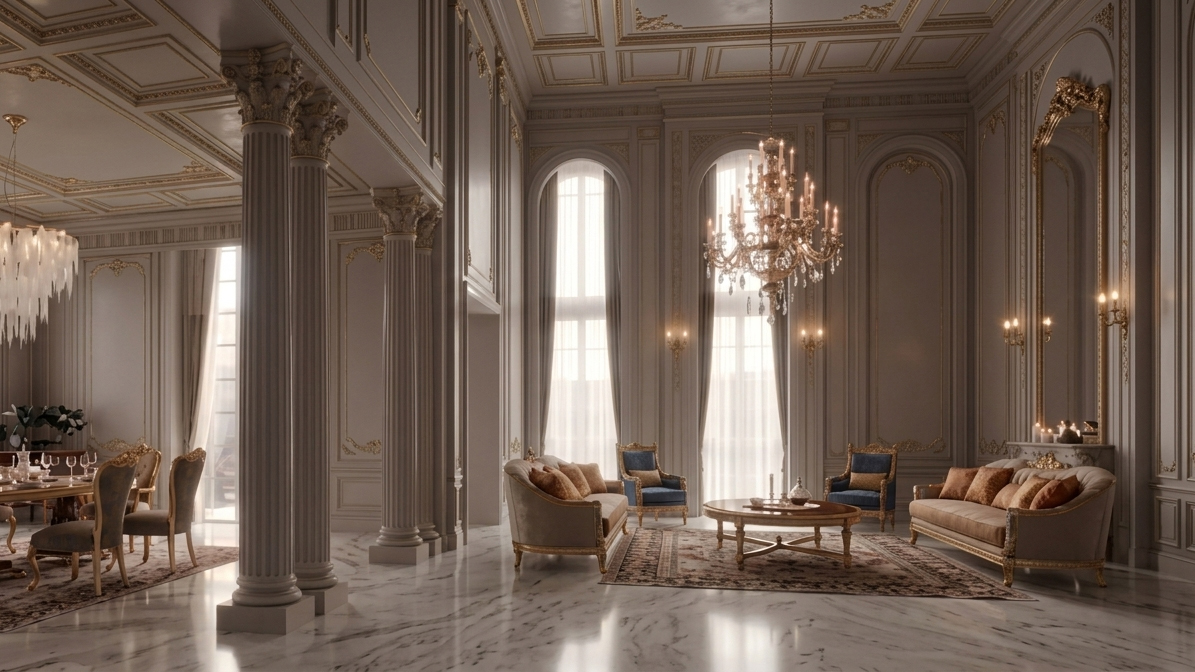
High-end residential furniture;
Classic luxury furniture supply for private villas;
Furniture supplier for interior designers。