


Difference between sintered stone and marble
2024-03-21
In the ever-evolving landscape of furniture design, materials play a crucial role in defining the aesthetic appeal and functionality of each piece. Among the vast array of options available, sintered stone and marble emerge as quintessential choices, each possessing distinct characteristics that contribute to their timeless allure. Let's embark on a journey to uncover the fascinating disparities between sintered stone and marble, celebrating their individual merits and exploring the boundless possibilities they offer in furniture design.
Sintered Stone:
Sintered stone, an engineering marvel born from cutting-edge technology and craftsmanship, epitomizes the epitome of durability and versatility in contemporary furniture design.
1. Unrivaled Durability: Sintered stone boasts unparalleled resistance to scratches, stains, and heat, making it an ideal candidate for both indoor and outdoor applications. Its non-porous surface ensures effortless maintenance and long-lasting beauty, even in the most demanding environments.
2. Versatility Redefined: With its exceptional strength and flexibility, sintered stone transcends conventional design limitations, offering architects and designers limitless possibilities. Whether sculpted into sleek countertops or fashioned into intricate furniture pieces, sintered stone lends itself to a myriad of creative expressions, pushing the boundaries of imagination.
3. Consistent Excellence: Unlike natural stone, which exhibits inherent variations in color and veining, sintered stone offers uniformity throughout, ensuring consistent aesthetics across projects. This consistency enables designers to achieve precise design visions without compromise, instilling confidence in the final outcome.

Marble:
Marble, a timeless emblem of luxury and sophistication, evokes a sense of timeless elegance and refinement in furniture design.
1. Exquisite Aesthetic Appeal: Renowned for its breathtaking veining patterns, subtle hues, and lustrous finish, marble exudes an air of opulence and grandeur. Each slab tells a unique story of geological heritage, infusing spaces with an unparalleled sense of luxury and prestige.
2. Timeless Grandeur: Marble's enduring appeal transcends fleeting trends, standing as a timeless testament to refined taste and discerning aesthetics. Its graceful presence lends a touch of sophistication to any interior, enriching spaces with an aura of understated elegance.
3. Natural Splendor: Perhaps marble's most captivating quality lies in its inherent beauty, shaped by millennia of geological processes. From the majestic veins of Carrara to the rich hues of Calacatta, each marble variety possesses a distinctive charm that captivates the senses and elevates the ambiance of any setting.

Substantive Differences:
1.Composition: Sintered stone is engineered through a process of compacting and sintering natural minerals, resulting in a homogeneous material with consistent properties throughout. In contrast, marble is a naturally occurring metamorphic rock formed from recrystallized carbonate minerals, such as calcite or dolomite, giving it unique veining and color variations.
2.Performance: While both materials offer durability and longevity, sintered stone exhibits superior resistance to scratching, staining, and heat due to its non-porous composition. Marble, although elegant, may require sealing to enhance its resistance to stains and etching caused by acidic substances.
Sintered stone and marble each offer a unique blend of attributes that cater to diverse design sensibilities and functional requirements. While sintered stone excels in durability and versatility, marble enchants with its timeless elegance and natural allure.
Experience the unparalleled beauty and versatility of sintered stone and marble furniture at Teemliving. Explore our curated collection and discover the perfect piece to elevate your space with sophistication and style.
Previous News: Door Thickness on Soundproofing - Mass and Density and What?
Next News: What is terrazzo made of?

Furniture Learning - September 27, 2026
French Blue Amber Collection: Timeless French Luxury Furniture for Your Dream Mansion-By Daisy
If you have ever dreamed of stepping into a stately European manor, filled with graceful curves, delicate gilded carvings, and soft, inviting upholstery, then the French Blue Amber Collection is crafted precisely for you. This stunning suite redefines classic French style home decor, quickly rising as one of the top trending luxury furniture picks for villa renovation and capturing the hearts of homeowners who crave old-world elegance blended with modern livability.
Furniture Learning - September 24, 2026
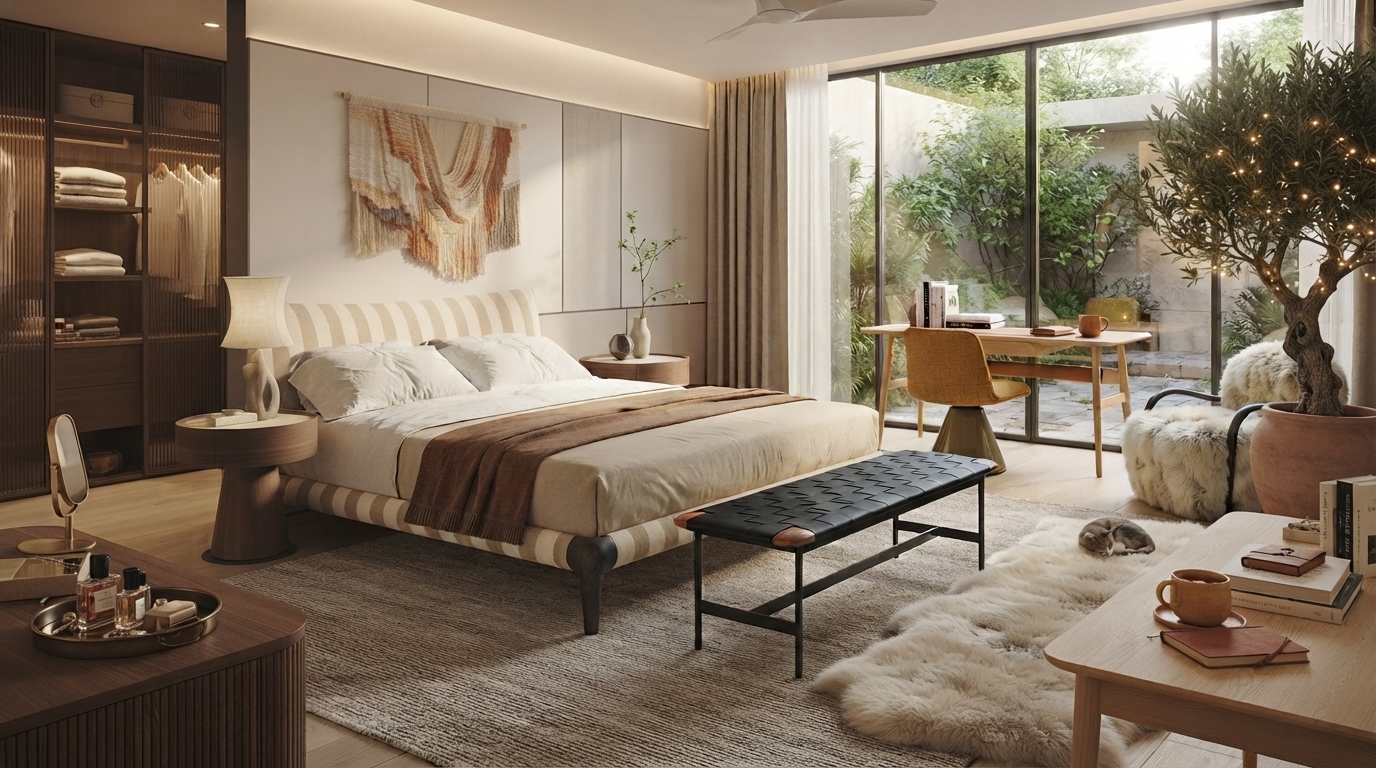
Why Is Luxury Bedroom Furniture Essential for Premium Residential & Hospitality Projects?---By Vanilla
For luxury residential developers, boutique hotel operators and high-end interior designers seeking to craft intimate, restorative bedroom spaces that elevate both property value and guest experience, our **Luxury Bedroom Furniture** Motelda collection redefines warm, understated luxury for modern living.

Furniture Learning - September 24, 2026
How to Choose a Reliable Living Room Furniture Manufacturer for B2B Projects——By Eva