How to Choose the Perfect Vintage Chair?
Introduction
Vintage furniture has a timeless appeal that transcends trends, bringing a sense of history and character to any space. Among these treasured pieces, vintage chairs hold a special place, offering not just seating but also a story, a style statement, and a connection to the past. Whether you're a seasoned collector or a newcomer to the world of vintage furniture, choosing the right vintage chair requires a keen eye and an understanding of what makes these pieces so unique.
This guide will walk you through the key considerations when selecting a vintage chair, from identifying authentic pieces to assessing condition, style, and practicality.
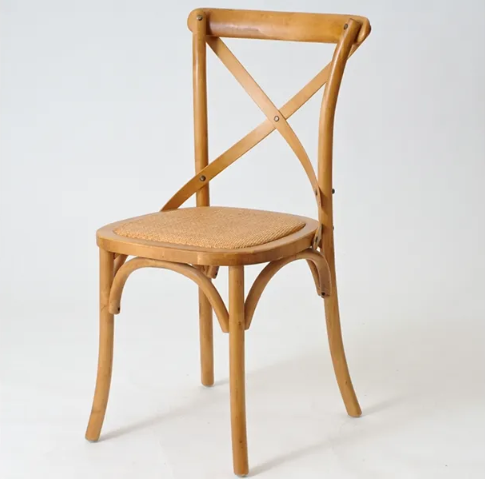
Understanding Vintage: What Qualifies as a Vintage Chair?
Before diving into the selection process, it's essential to understand what qualifies as a "vintage" chair. Generally, furniture that is at least 20 to 100 years old is considered vintage. Unlike antiques, which are typically over 100 years old, vintage furniture reflects the design trends of its time and often features unique craftsmanship that is no longer common in modern manufacturing.
Vintage chairs can range from mid-century modern designs of the 1950s and 60s to the art deco styles of the 1920s. Each era has its own distinctive characteristics, so it's helpful to have some knowledge of design history when searching for the perfect piece.
Key Factors to Consider When Choosing a Vintage Chair
Authenticity
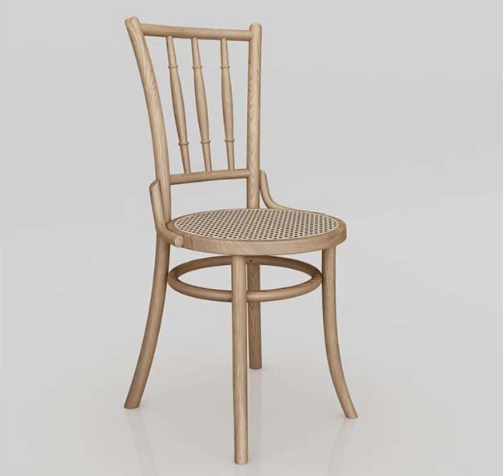
One of the most important aspects of buying a vintage chair is ensuring its authenticity. Genuine vintage pieces will often have markings, labels, or stamps indicating the manufacturer or designer. Researching these details can help you verify the chair's origin and value. Beware of reproductions or pieces that are marketed as vintage but lack the telltale signs of age and craftsmanship.
Condition
Vintage chairs have lived long lives, and their condition can vary widely. When evaluating a chair, consider both its structural integrity and its aesthetic appeal. Check for any signs of damage, such as cracks, loose joints, or missing parts. Upholstery should be inspected for wear, stains, or tears. While some imperfections can add to the chair's charm, others might require restoration work, which can be costly.
It’s also worth considering the chair’s patina— the surface wear that develops over time. A well-maintained patina can add to the chair’s value and beauty, reflecting its history and use.

Style and Design
The style of the vintage chair should complement your existing décor and align with your personal taste. Vintage chairs come in a variety of designs, from the sleek, minimal lines of mid-century modern to the ornate details of Victorian pieces. When choosing a style, think about how the chair will fit into your space. Do you want it to be a focal point or blend seamlessly with other furniture?
Also, consider the chair's comfort and practicality. While some vintage chairs are beautifully designed, they may not be the most comfortable for everyday use. Sit in the chair if possible, and assess how it feels. If comfort is a priority, you may need to compromise on style or consider reupholstering the chair with modern, comfortable materials.
Materials and Craftsmanship
The materials used in vintage chairs can vary greatly, from solid wood to metal, wicker, or even plastic. Understanding the materials can give you insight into the chair's durability and how it will age over time. For example, hardwoods like oak, walnut, and teak are known for their longevity and resistance to wear.
Craftsmanship is another critical factor. Vintage chairs often feature intricate details and joinery that are rare in modern furniture. Look for signs of quality craftsmanship, such as dovetail joints, hand-carved elements, and original finishes. These details not only enhance the chair's aesthetic appeal but also indicate a well-made piece that will stand the test of time.
Provenance
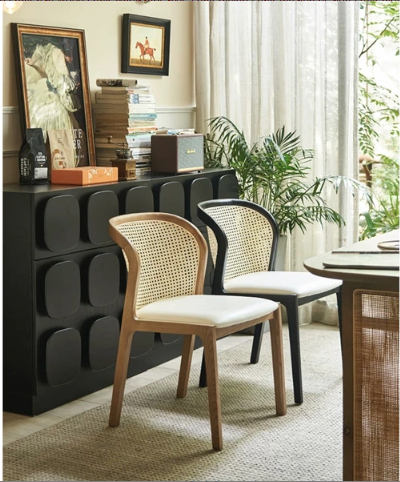
The provenance, or history, of a vintage chair can add to its allure and value. Chairs that were owned by famous individuals, made by renowned designers, or featured in significant historical contexts are highly sought after. If possible, ask the seller for any documentation or information about the chair's history. Provenance can be a deciding factor, especially for collectors looking for investment pieces.

hotel bed design
designer bedside table
luxury bedside tables
curved sofa
luxury hotel sofa
sculptural coffee table
designer coffee table
hotel vanity desk
luxury vanity stool
upholstered vanity stool
hotel room vanity