Tips for choosing the right waterproof bathroom door?
How to choose the right type of wood for a waterproof bathroom door?
Selecting the right type of wood for a bathroom door is a crucial decision that goes beyond aesthetics. Bathrooms, with their inherent moisture and humidity, demand materials that can withstand these challenging conditions. Here Teemliving will share the key factors to consider when choosing the perfect wood for a waterproof bathroom door.
Bathrooms are unique spaces with elevated levels of humidity, splashes, and occasional temperature fluctuations. It is imperative to choose a wood that can withstand these conditions without compromising its structural integrity or aesthetic appeal.
Natural Water Resistance: Opt for wood species known for their natural water resistance. Hardwoods such as teak, ipe, and cedar are renowned for their ability to repel water and resist decay. Their natural oils and dense grain structure make them ideal candidates for bathroom doors.
Treatment and Sealants: Consider the application of water-resistant sealants or finishes. Woods like oak and maple, while not inherently water-resistant, can be treated to enhance their ability to repel moisture. Polyurethane and marine varnishes are popular choices for creating a protective barrier.
Engineered Wood Options: Explore engineered wood options. Plywood and medium-density fiberboard (MDF) with waterproof adhesives can offer greater dimensional stability and resistance to moisture-related issues. Ensure that the engineered wood is specifically designed for high-humidity environments.
Resistance to Mold and Mildew: Choose wood that is naturally resistant to mold and mildew. Woods with anti-fungal properties, such as redwood and cypress, can prevent the growth of these unwanted elements in the bathroom environment.
Durability and Hardness: Prioritize woods that are durable and hard. This not only contributes to the longevity of the door but also ensures that it can withstand the occasional knocks and impacts that may occur in a busy bathroom.
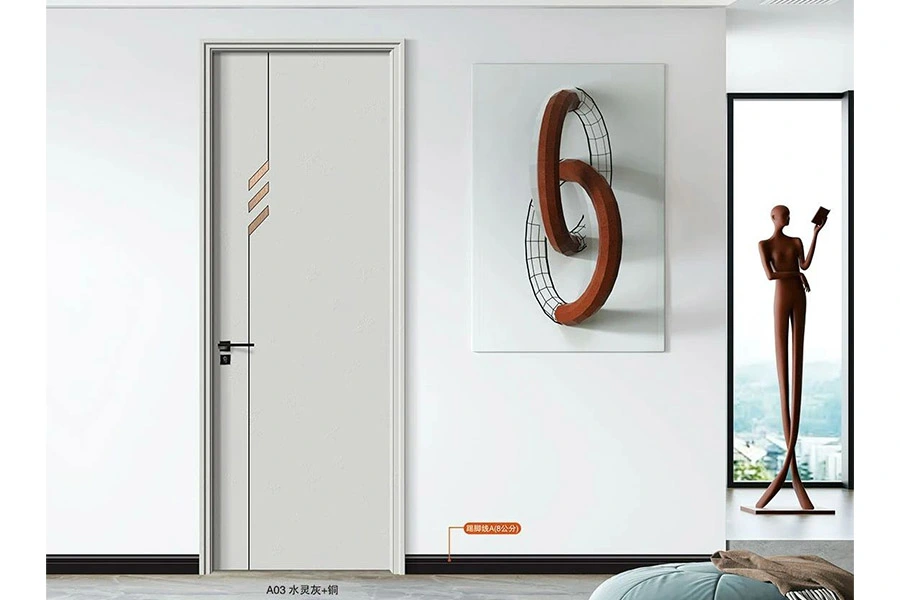
What makes a solid wood bathroom door resistant to water damage, and how do these features contribute to longevity?
Wooden doors, with their timeless appeal, add warmth and sophistication to any space. However, in environments prone to moisture and humidity, the risk of water damage poses a significant challenge.
Choice of Wood Species: The foundation of water resistance lies in the selection of the right wood species. Certain hardwoods, such as teak, cedar, and ipe, possess natural oils and resins that repel water. These inherent properties make them less susceptible to warping, swelling, and decay caused by moisture exposure.
Sealing and Finishing: Proper sealing and finishing are critical steps in enhancing a wooden door's resistance to water. Sealants create a protective barrier, preventing water from penetrating the wood fibers. Modern finishes, such as polyurethane and marine varnishes, provide an additional layer of defense, ensuring that the door remains shielded against the effects of humidity.
Engineered Wood Options: Engineered wood, such as plywood or medium-density fiberboard (MDF) with waterproof adhesives, offers increased dimensional stability. These materials are less prone to swelling or contracting in response to changes in humidity, making them reliable choices for water-resistant doors.
Proper Installation Techniques: The way a door is installed can significantly impact its resistance to water damage. Ensuring a proper fit, using appropriate weatherstripping, and incorporating effective thresholds are crucial elements in preventing water infiltration around the door frame. Well-sealed joints and connections contribute to the overall water-resistant design.
How Water-Resistant Features Contribute to Longevity?