


The Tips to Choosing a Good Quality Sofa
2024-09-18
A sofa is more than just a piece of furniture; it serves as a central feature in your living space, offering both comfort and style. Choosing a high-quality sofa involves understanding various factors that contribute to its durability, comfort, and overall design. Here Teemliving will help you make an informed decision by exploring the essential aspects of a quality sofa. A high-quality sofa is characterized by its robust construction, luxurious materials, and thoughtful design. It is not only about aesthetics but also about durability and comfort. A well-made sofa enhances your living space by providing a cozy and stylish seating solution that withstands daily use and complements your home’s decor.
Key Factors in Sofa Quality
Materials: The materials used in a sofa significantly impact its longevity and comfort. A high-quality sofa typically features:
- Frame Construction: Hardwood frames (such as oak, maple, or walnut) are renowned for their durability and resistance to warping. Metal frames offer a sleek, modern look and exceptional strength, while engineered wood, though more affordable, should be constructed with care to ensure reliability.
- Upholstery: Opt for premium fabrics like high-grade leather, which offers longevity and ease of cleaning, or durable synthetic fabrics that are resistant to stains and wear. Microfiber and performance fabrics are also popular for their durability and low-maintenance properties.
- Cushioning: High-density foam cushions provide firm support, while down-filled cushions offer a plush, luxurious feel. Hybrid options combine both for balanced comfort and support.
Craftsmanship: The quality of craftsmanship can be judged by:
- Stitching and Seams: Look for tight, even stitching and reinforced seams that prevent unraveling and ensure longevity.
- Finishes: Examine the finishing touches, such as the quality of the legs, the alignment of the cushions, and the overall attention to detail in the construction.
Frame Construction
Types of Frames:
- Hardwood Frames: Hardwood is favored for its strength and durability. Frames made from hardwood like oak or maple can support heavy use and resist warping.
- Metal Frames: Metal frames are sturdy and offer a contemporary look. They are less prone to wear but may not provide the same aesthetic warmth as wood.
- Engineered Wood Frames: While more affordable, engineered wood should be well-constructed to avoid issues like warping or breaking.
Joinery Techniques:
- Mortise and Tenon: This traditional technique involves fitting one piece of wood into a hole in another, creating a strong joint that resists shifting.
- Dovetail: Known for its strength, dovetail joinery involves interlocking joints that offer superior stability.
- Corner Blocks: These reinforce the corners of the frame, ensuring additional strength and durability.
Upholstery Options
Fabric Choices:
- Natural Fabrics: Cotton and linen are breathable and comfortable but may be prone to staining and wrinkling.
- Synthetic Fabrics: Polyester, microfiber, and nylon are durable and resistant to stains and wear. These fabrics are ideal for high-traffic areas.
- Performance Fabrics: These are engineered to resist stains, fading, and wear, making them suitable for households with pets or children.
Previous News: Looking for Modern Luxury Villa Furniture for Grand Private Residences?---BY VANILLA
Next News: ESTELLER

Case Study - September 28, 2026
A Quiet Dialogue Between Light and Stillness BY YINA LIN
luxury upholstered bed
hotel bed design
designer bedside table
luxury bedside tables
curved sofa
luxury hotel sofa
sculptural coffee table
designer coffee table
hotel vanity desk
luxury vanity stool
upholstered vanity stool
hotel room vanity
hotel bed design
designer bedside table
luxury bedside tables
curved sofa
luxury hotel sofa
sculptural coffee table
designer coffee table
hotel vanity desk
luxury vanity stool
upholstered vanity stool
hotel room vanity

Furniture Learning - September 27, 2026
French Blue Amber Collection: Timeless French Luxury Furniture for Your Dream Mansion-By Daisy
If you have ever dreamed of stepping into a stately European manor, filled with graceful curves, delicate gilded carvings, and soft, inviting upholstery, then the French Blue Amber Collection is crafted precisely for you. This stunning suite redefines classic French style home decor, quickly rising as one of the top trending luxury furniture picks for villa renovation and capturing the hearts of homeowners who crave old-world elegance blended with modern livability.
Furniture Learning - September 24, 2026
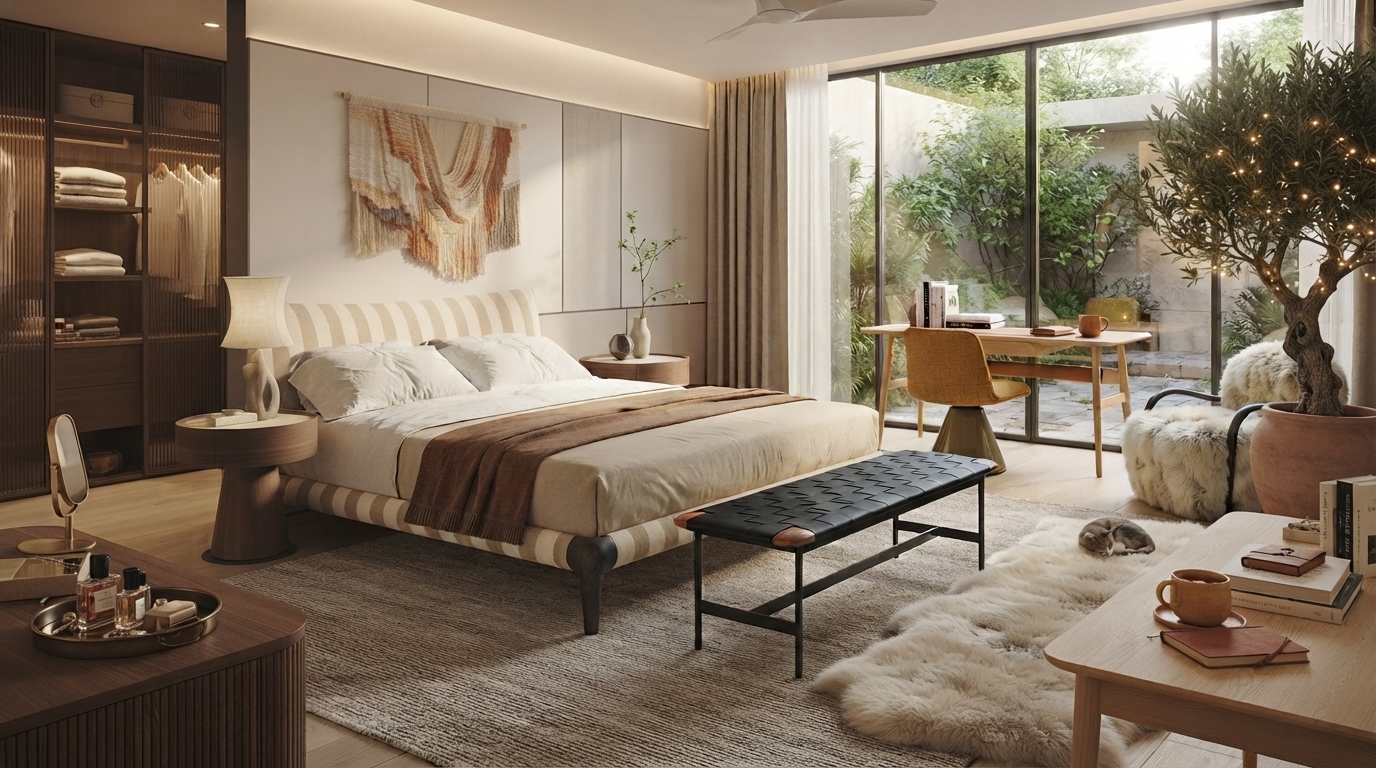
Why Is Luxury Bedroom Furniture Essential for Premium Residential & Hospitality Projects?---By Vanilla
For luxury residential developers, boutique hotel operators and high-end interior designers seeking to craft intimate, restorative bedroom spaces that elevate both property value and guest experience, our **Luxury Bedroom Furniture** Motelda collection redefines warm, understated luxury for modern living.