


Which is more comfortable, a sleeper sofa or a sofa bed?
2025-12-11
When it comes to multi-functional seating that doubles as a sleeping spot, the age-old question arises: Which is more comfortable, a sleeper sofa or a sofa bed? While comfort can feel subjective, the sleeper sofa consistently emerges as the more supportive, restful choice—and we’re breaking down exactly why this piece of furniture is the gold standard for both lounging and sleeping, plus the science and design details that make it a comfort powerhouse.
The Core Comfort Difference: Design Intent (And Why It Matters)
To understand the comfort gap, start with design intent:
- A sofa bed is engineered first as a sofa. Its “sleeping surface” is just its seat/back cushions folded flat—materials optimized for sitting (soft, plush, but often lacking structural support). When used as a bed, these cushions create uneven pressure points: seams between cushions dig into the body, and thin padding fails to cushion joints like hips or shoulders.
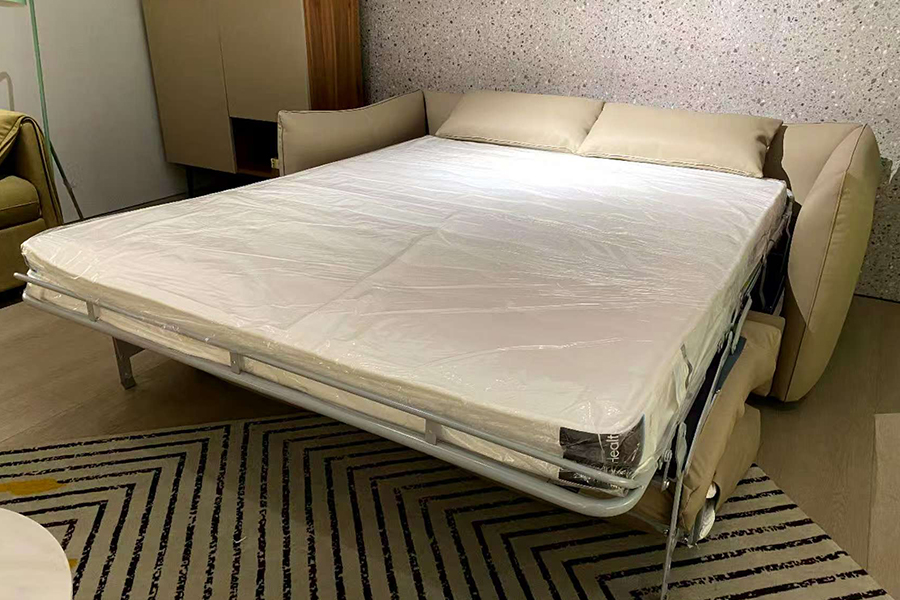
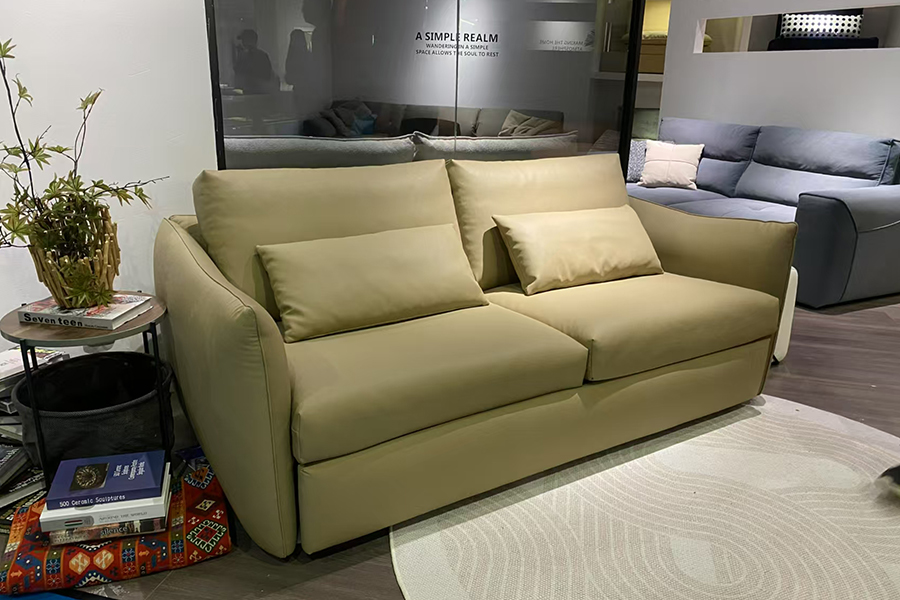
- A sleeper sofa is a dual-purpose design: it’s built to function equally well as a sofa and a bed. Every sleeper sofa hides a dedicated, mattress-style sleeping surface (not repurposed cushions) inside its base—crafted with sleep ergonomics in mind. This is the foundational reason a sleeper sofa feels far more comfortable than a sofa bed.


The Science of Sleeper Sofa Comfort: What Makes It Supportive
Beyond intent, sleeper sofa comfort is rooted in ergonomic design and material science:
-
Dedicated Mattress Construction (And Why Sofa Bed Cushions Can’t Compete)Sofa bed cushions are typically filled with low-density foam or down—great for squishing into while sitting, but terrible for sleep. These materials compress unevenly under body weight, leading to sagging and poor spinal alignment (a major cause of morning stiffness).A sleeper sofa’s mattress, by contrast, uses high-density foam, pocket springs, or hybrid layers—the same materials found in quality beds. These materials distribute weight evenly:
- Memory foam conforms to the body to relieve pressure on joints (ideal for side sleepers).
- Pocket springs isolate motion (so a partner shifting won’t wake you up—something impossible on a sofa bed’s connected cushions).
- Hybrid designs combine foam’s softness with springs’ bounce, balancing comfort and support
-
The Frame: Elevation Better Sleep A sofa bed folds flat on the floor (or a flimsy, thin support bar), which means the body rests on a hard, unyielding surface. A sleeper sofa’s mattress sits on a reinforced metal frame that elevates it 12–18 inches off the floor (the same height as a standard bed). This elevation:
- Keeps the body aligned with natural sleeping posture (lying flat on the floor forces the spine into an unnatural curve).
- Improves airflow (reducing overheating, a common complaint with sofa beds).
- Makes getting in/out of bed easier (especially for guests with mobility issues).
-
Seating Comfort That Doesn’t Compromise SleepA common myth is that sleeper sofa seating feels “stiff” to accommodate the hidden mattress—but modern designs debunk this. High-quality sleeper sofa seat cushions use zoned foam: soft layers on top for lounging, and dense, supportive layers below to prevent sagging (while leaving room for the mattress to tuck neatly inside). This means you get plush, cozy seating and a supportive bed—no trade-offs.
Real-World Comfort: When a Sleeper Sofa Is Non-Negotiable
The comfort gap becomes even clearer in daily use:
- For Guests Staying 1+ Nights: A sofa bed might work for a 4-hour nap, but after 8 hours, its lumpy cushions lead to sore backs and restless sleep. A sleeper sofa’s dedicated mattress ensures guests wake up rested—not grumpy.
- For Small-Space Dwellers (Primary Bed Use): If you live in a studio apartment and use your multi-functional furniture as a primary bed, a sofa bed is unsustainable for long-term sleep health (studies link poor mattress support to chronic back pain). A sleeper sofa provides the spinal support needed for nightly use.
- For Families Hosting Sleepovers: Kids (and their growing spines) need proper support too. A sleeper sofa’s stable surface and soft mattress are far safer and more comfortable than a sofa bed’s uneven cushions.


How to Choose the Most Comfortable Sleeper Sofa
Not all sleeper sofa models are equal—here’s what to prioritize for maximum comfort:
- Mattress Thickness: Aim for 6+ inches (thinner mattresses feel like sofa bed cushions).
- Frame Type: Look for a “wall-hugger” sleeper sofa (it slides forward when converting, so you don’t need to move it away from the wall—ideal for small spaces).
- Upholstery: Choose performance fabrics (stain-resistant, pet-friendly) that are soft to the touch (avoid rough, scratchy materials that make seating uncomfortable).
- Weight Capacity: A high-quality sleeper sofa supports 500+ pounds (critical for durability and consistent support).
Final Verdict: The Sleeper Sofa Is the Comfort Champion
While a sofa bed might save a few dollars upfront, it sacrifices long-term comfort (and even sleep health) for convenience. The sleeper sofa is an investment in both functionality and well-being: its dedicated mattress, supportive frame, and balanced design make it a space that feels like a cozy sofa and a comfortable bed—whenever you need it.
For anyone who values rest (and doesn’t want to compromise on style or space), the sleeper sofa is the only choice. It’s not just multi-functional furniture—it’s a design that puts your comfort first, no matter how you use it.
Previous News: What kind of sleeping sofabed can be considered a good sleeping sofabed?
Next News: The history of the Eames Lounge Chair
Furniture Learning - September 24, 2026
Why Is Luxury Bedroom Furniture Essential for Premium Residential & Hospitality Projects?---By Vanilla
For luxury residential developers, boutique hotel operators and high-end interior designers seeking to craft intimate, restorative bedroom spaces that elevate both property value and guest experience, our **Luxury Bedroom Furniture** Motelda collection redefines warm, understated luxury for modern living.

Furniture Learning - September 24, 2026
How to Choose a Reliable Living Room Furniture Manufacturer for B2B Projects——By Eva

Furniture Learning - September 18, 2026
What Makes Modern Luxury Apartment Furniture the Centerpiece of Upscale Open-Plan Residences?--Vanilla
For luxury residential developers, high-end property owners and premium interior designers seeking to elevate sprawling open-concept living spaces with refined sophistication, our **Modern Luxury Apartment Furniture** Motelda collection redefines understated opulence for contemporary waterfront residences.