


Does cold weather damage furniture? Protecting Your Furniture in Cold Weather: Tips from Teemliving
2024-04-30
As temperatures drop and winter sets in, concerns about how cold weather affects furniture become increasingly common. At Teemliving, we understand the importance of maintaining the quality and longevity of your furniture, especially when it comes to veneer and solid wood pieces. Here are some insights to help you safeguard your investment during the cold season:
1. Moisture Management: Cold weather often brings along dry air, which can lead to moisture loss in wooden furniture, causing it to crack or warp. This is particularly true for solid wood furniture, where changes in humidity can have a significant impact. To prevent this, consider using a humidifier to maintain indoor humidity levels. Additionally, applying a furniture-grade polish or wax can create a protective barrier against moisture loss, especially for veneer furniture, where the thin layer of wood may be more susceptible.

2. Temperature Fluctuations: Extreme temperature fluctuations can stress furniture materials, especially solid wood, leading to structural damage over time. Veneer furniture may also be affected, as changes in temperature can cause the adhesive used to bond the veneer to the substrate to weaken. Avoid placing furniture directly in front of heating vents or radiators, as this can expose them to rapid temperature changes. Instead, position furniture away from direct sources of heat to maintain a more stable environment.

3. Upholstery Care: Cold weather can affect upholstery fabrics by making them feel stiff or brittle. To keep upholstery looking its best, regularly vacuum and spot clean to remove dust and debris. Consider rotating cushions and pillows to distribute wear evenly. For added protection, treat upholstery with a fabric protector designed to repel moisture and stains.

4. Metal Maintenance: Metal furniture pieces may be susceptible to rust or corrosion in cold, damp conditions. To prevent this, ensure that metal surfaces are properly sealed and coated with a protective finish. Regularly inspect outdoor metal furniture for signs of rust, and address any issues promptly with rust-resistant paint or coatings.

5. Storage Solutions: If possible, consider storing outdoor furniture indoors or in a covered area during the winter months to shield it from harsh weather conditions. For indoor furniture, covering items with breathable fabric or using furniture covers can offer additional protection against dust and scratches.
Visit our website today to discover more
Don't let cold weather compromise the beauty and functionality of your furniture. Trust Teemliving to provide you with reliable, high-quality furniture solutions that stand the test of time, whether you prefer the elegance of veneer or the timeless appeal of solid wood.
Don't let cold weather compromise the beauty and functionality of your furniture. Trust Teemliving to provide you with reliable, high-quality furniture solutions that stand the test of time, whether you prefer the elegance of veneer or the timeless appeal of solid wood.
Previous News: How to choose the mattress
Next News: Indoor Wooden Doors vs. Solid Core Wood Exterior Doors
Furniture Learning - September 24, 2026
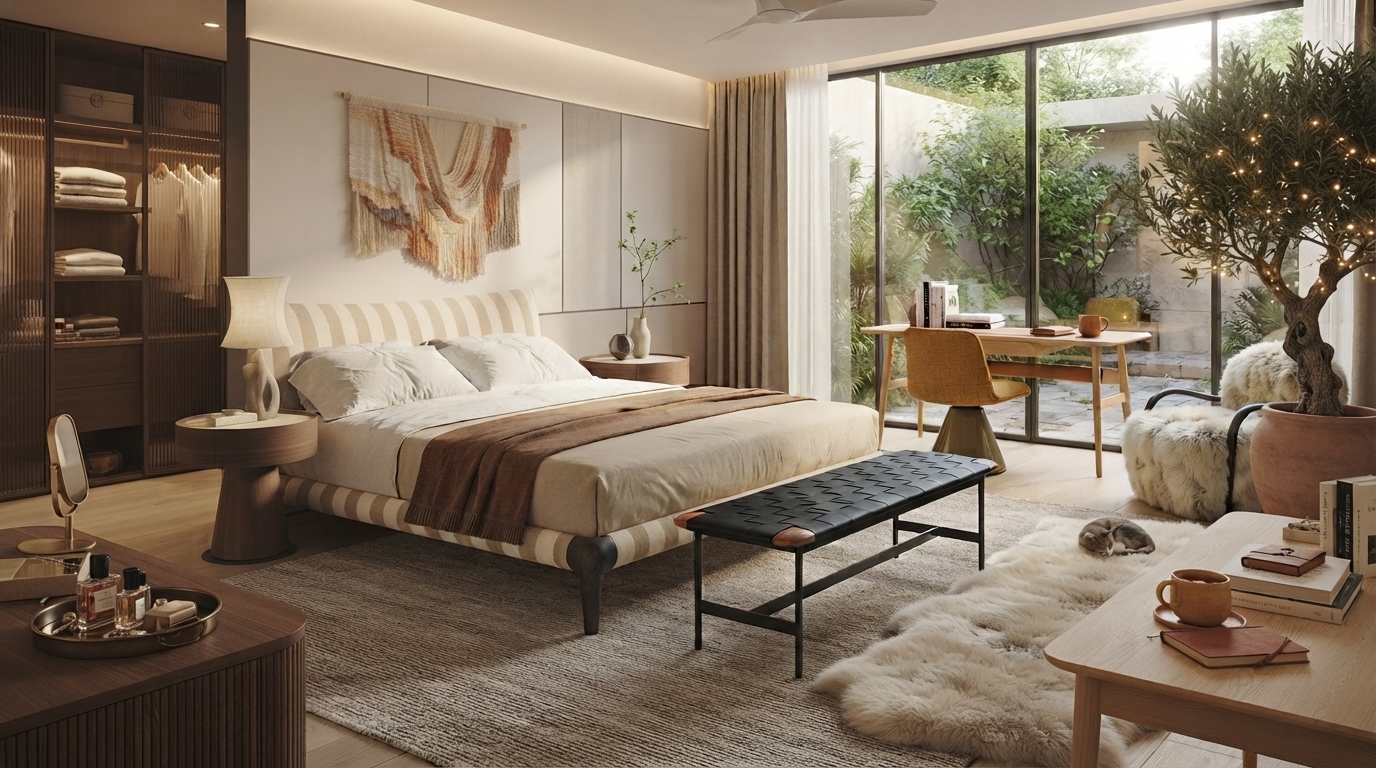
Why Is Luxury Bedroom Furniture Essential for Premium Residential & Hospitality Projects?---By Vanilla
For luxury residential developers, boutique hotel operators and high-end interior designers seeking to craft intimate, restorative bedroom spaces that elevate both property value and guest experience, our **Luxury Bedroom Furniture** Motelda collection redefines warm, understated luxury for modern living.

Furniture Learning - September 24, 2026
How to Choose a Reliable Living Room Furniture Manufacturer for B2B Projects——By Eva

Furniture Learning - September 18, 2026
What Makes Modern Luxury Apartment Furniture the Centerpiece of Upscale Open-Plan Residences?--Vanilla
For luxury residential developers, high-end property owners and premium interior designers seeking to elevate sprawling open-concept living spaces with refined sophistication, our **Modern Luxury Apartment Furniture** Motelda collection redefines understated opulence for contemporary waterfront residences.