


Should a corner sofa be against the wall?
2023-10-08
The placement of a corner sofa in a room is a decision that can significantly impact the overall look, feel, and functionality of the space. Whether or not a corner sofa should be against the wall is a common interior design dilemma, and the answer often depends on various factors, including the size and layout of the room, personal preferences, and the intended use of the space.
To fully explore this topic, let's delve into the pros and cons of placing a corner sofa against the wall and discuss alternative placement options. By the end of this discussion, you should have a better understanding of how to make an informed decision based on your specific circumstances.
1. Pros of Placing a Corner Sofa Against the Wall:
a. Space Optimization: One of the primary advantages of positioning a corner sofa against the wall is that it optimizes the use of space in smaller rooms. By hugging the sofa to the wall, you create more floor space in the center of the room, making it feel more open and less cluttered.
b. Enhanced Traffic Flow: Placing the sofa against the wall can improve the flow of traffic within the room. This arrangement makes it easier for people to move around without obstructing the seating area, which can be especially beneficial in high-traffic areas or smaller living rooms.
c. Creates a Focal Point: When you push a corner sofa against the wall, you can easily create a focal point on the opposite wall. This could be a piece of artwork, a television, a fireplace, or any other element you want to highlight. The sofa then acts as a backdrop that draws attention to the chosen focal point.
d. Cozy and Intimate: For some, having a corner sofa against the wall can create a cozy and intimate seating area. It can feel like a nook or alcove, providing a sense of enclosure and comfort.
e. Easy Access to Outlets: Placing a sofa against the wall can make it more convenient to access electrical outlets and outlets for electronic devices. This can be especially useful if you have a lot of devices or lamps that need power.
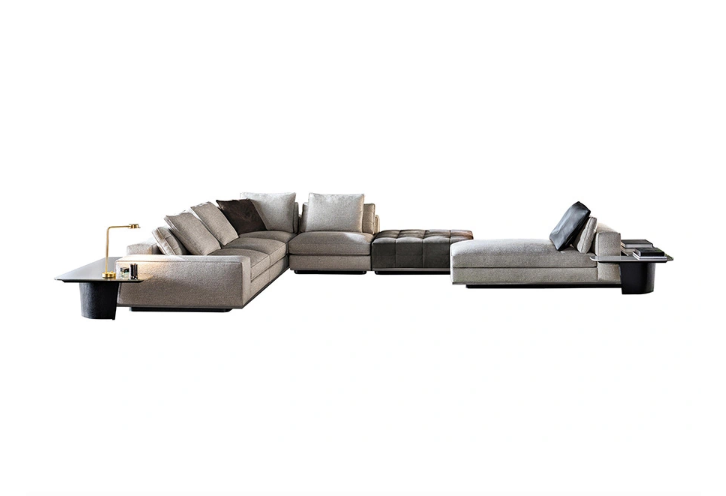
Teemliving #furniture #sofa #cornersofa #fabricsofa
2. Cons of Placing a Corner Sofa Against the Wall:
a. Limited Seating Options: One of the drawbacks of this arrangement is that it can limit the number of seating options, especially when compared to placing the sofa in the center of the room. It may not be as conducive to conversations among multiple people, as some seats may be facing away from each other.
b. Less Versatility: A corner sofa against the wall can be less versatile in terms of room layout. If you want to rearrange the furniture or change the room's purpose, you may be somewhat restricted by the sofa's fixed position.
c. Can Feel Isolated: Placing a corner sofa against the wall may make the seating area feel somewhat isolated from the rest of the room. This arrangement can work well if you want a dedicated seating area, but it may not be ideal for an open-plan living space.
d. Design Considerations: The visual aesthetics of a room can be affected by placing a corner sofa against the wall. It may not work well in rooms with unique architectural features or irregular layouts.
3. Alternative Placement Options:
a. Floating in the Room: An alternative to placing a corner sofa against the wall is to float it in the center of the room. This arrangement can create a more open and inviting atmosphere, perfect for larger living spaces or open-plan designs. It also allows for more flexible seating arrangements and can encourage conversation among guests.
b. Angled Placement: Another option is to position the corner sofa at an angle in a corner of the room. This can help maximize space while still creating a sense of intimacy and comfort. It works well in rooms with interesting angles or unconventional layouts.
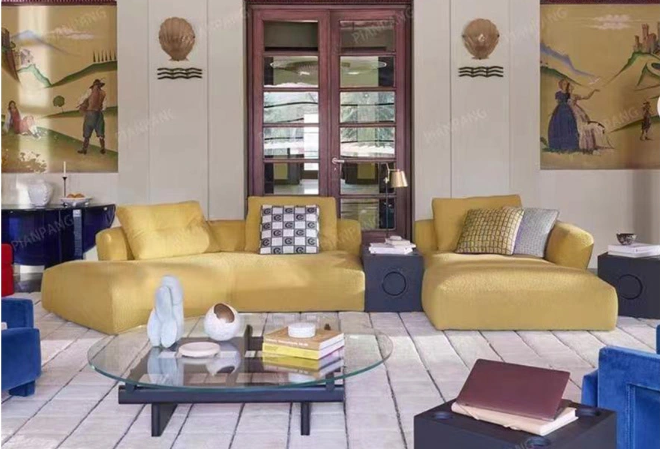
c. Modular Configurations: Modular sofas offer the flexibility to arrange seating in various ways. You can create a corner configuration but leave some sides open, giving you the best of both worlds—space optimization and versatility.
d. Wall Hugging with a Console: To strike a balance between space optimization and flexibility, you can place the corner sofa against the wall but add a narrow console table or shelf behind it. This provides a surface for decor, storage, or lighting while keeping the sofa relatively close to the wall.
4. Personalization and Functionality:
Ultimately, the decision to place a corner sofa against the wall or explore alternative arrangements should be based on your personal preferences and the intended function of the room. Here are some key considerations:
a. Room Size: In smaller rooms, wall placement may be the most practical option, while larger rooms offer more flexibility.
b. Room Shape: The shape of the room, including any architectural features, can influence the sofa's placement.
c. Usage: Consider how you plan to use the space. Is it primarily for entertaining guests, watching TV, or relaxing with family? Your intended use should guide the placement.
Previous News: What is the most popular dog furniture?
Next News: How will you choose between fabric sofas and leather sofas?
Furniture Learning - September 24, 2026
Why Is Luxury Bedroom Furniture Essential for Premium Residential & Hospitality Projects?---By Vanilla
For luxury residential developers, boutique hotel operators and high-end interior designers seeking to craft intimate, restorative bedroom spaces that elevate both property value and guest experience, our **Luxury Bedroom Furniture** Motelda collection redefines warm, understated luxury for modern living.

Furniture Learning - September 24, 2026
How to Choose a Reliable Living Room Furniture Manufacturer for B2B Projects——By Eva

Furniture Learning - September 18, 2026
What Makes Modern Luxury Apartment Furniture the Centerpiece of Upscale Open-Plan Residences?--Vanilla
For luxury residential developers, high-end property owners and premium interior designers seeking to elevate sprawling open-concept living spaces with refined sophistication, our **Modern Luxury Apartment Furniture** Motelda collection redefines understated opulence for contemporary waterfront residences.